
Should we sell? Can we afford to keep it? What if we can't agree on the price?
If you're going through a divorce in Nashville and the family home is part of the equation, you're probably asking yourself these questions: along with a dozen others. And honestly? You're not alone. The house is often the biggest asset in a divorce, and figuring out what to do with it can feel like one more complicated, emotionally exhausting decision during an already difficult time.
The good news? You have options. And there are ways to handle the sale (if that's the route you choose) that minimize stress, avoid drawn-out negotiations, and help both parties move forward faster.
Let's walk through what you need to know.
Why Selling During Divorce Gets Complicated
Divorce is hard enough without adding real estate into the mix. But when the marital home is involved, things get messy fast. Here's why:
Neither of you can agree on timing or price. One person wants to sell yesterday; the other wants to wait for a better market. One thinks the house is worth $450K; the other says $500K. These disagreements can drag on for months.
Someone has to move out: but who pays the mortgage in the meantime? If one spouse moves out before the house sells, the other is stuck covering payments, utilities, and upkeep. That's a financial strain no one wants.
Showings and repairs feel like adding insult to injury. Keeping the house show-ready while you're packing, grieving, and trying to untangle your life? Exhausting. And if the house needs repairs before it can go on the market, that's another negotiation: and another expense.
Court-ordered sales can force your hand. If the divorce drags on and you can't agree, the court may order the house sold at auction or through a specific process that doesn't always maximize value.
Bottom line: the longer it takes to sell, the more expensive and stressful it gets.
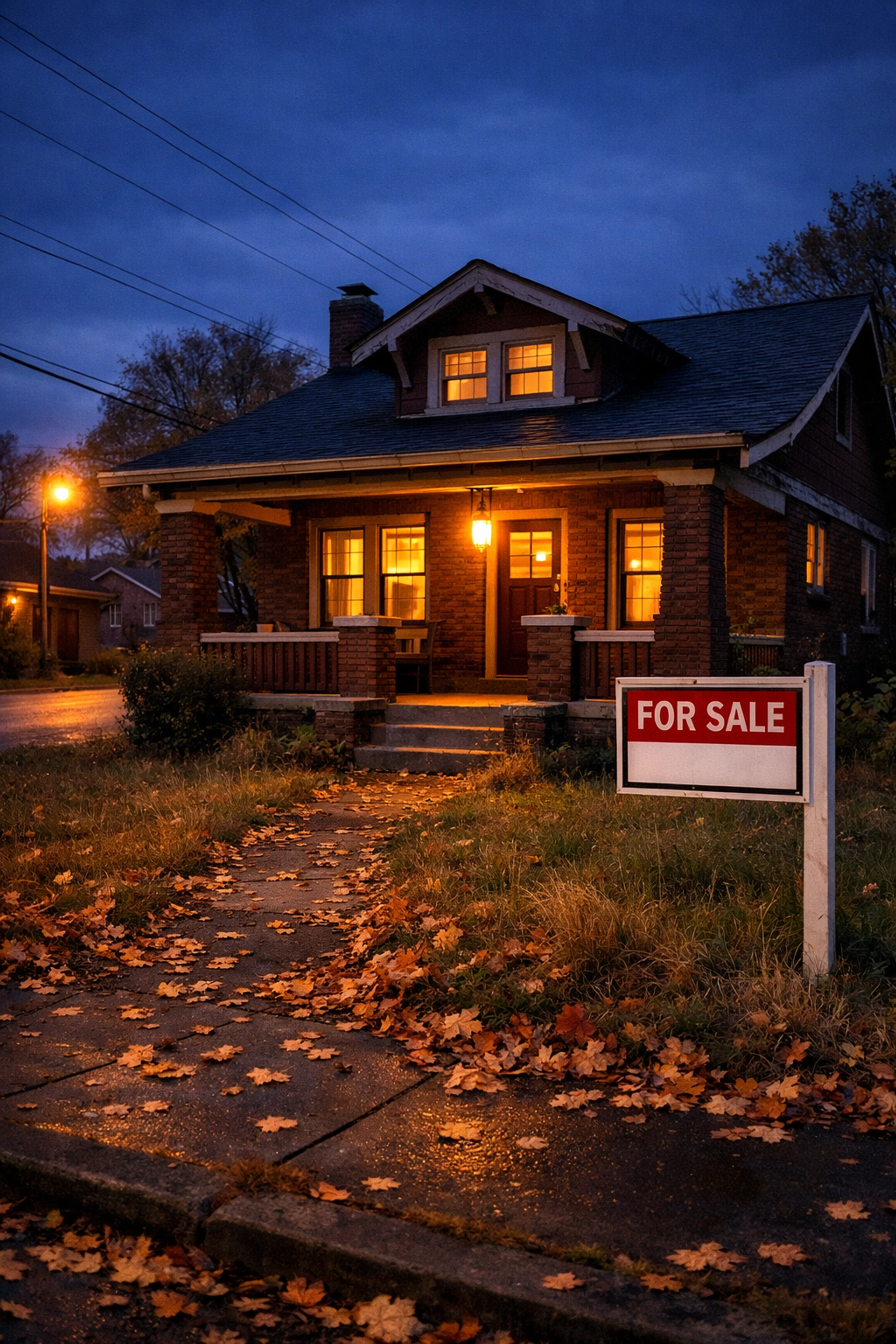
Establish Legal Ownership First (Before You Do Anything Else)
Before you even think about listing or selling, you need to know who legally owns the property.
If one spouse bought the house before the marriage, they're technically the sole owner: though Tennessee's equitable distribution laws can still come into play depending on how marital funds were used for mortgage payments or improvements.
But if the house was purchased during the marriage, it's almost always considered marital property: even if only one name is on the deed. That means the equity (and any proceeds from a sale) will need to be divided fairly, though not necessarily 50/50.
Here's the key: Don't rely on your real estate agent or a cash buyer to give you legal advice about ownership or how to split proceeds. That's what divorce attorneys are for. Each spouse should consult their own attorney before making any moves on the house.
Your Options for Dividing the Marital Home
Once you've established ownership and talked to your attorneys, you've got a few paths forward:
1. Sell and Split the Proceeds
This is the most common solution, especially when:
- Neither spouse can afford to keep the home on their own
- The mortgage is too high for one income
- Both parties want a clean financial break
You sell the house, pay off the mortgage and any closing costs, and divide what's left according to your divorce settlement.
2. One Spouse Buys Out the Other
If one person wants to keep the house (maybe for the kids' stability, or because they love the neighborhood), they can buy out the other spouse's share of the equity.
This usually requires:
- Getting the house appraised to determine current market value
- Refinancing the mortgage in the keeping spouse's name only
- Paying the other spouse their share in cash or through other asset trades
This option only works if the keeping spouse qualifies for refinancing and has the funds (or other assets) to cover the buyout.
3. Co-Ownership (Rare, But Possible)
In some cases, divorcing couples agree to co-own the house temporarily: maybe until the kids graduate, or until the market improves. This requires a lot of trust and clear legal agreements about who pays what, when the house will eventually sell, and how decisions get made in the meantime.
Honestly? This option is uncommon, because it keeps you financially tied to your ex, which most people want to avoid.
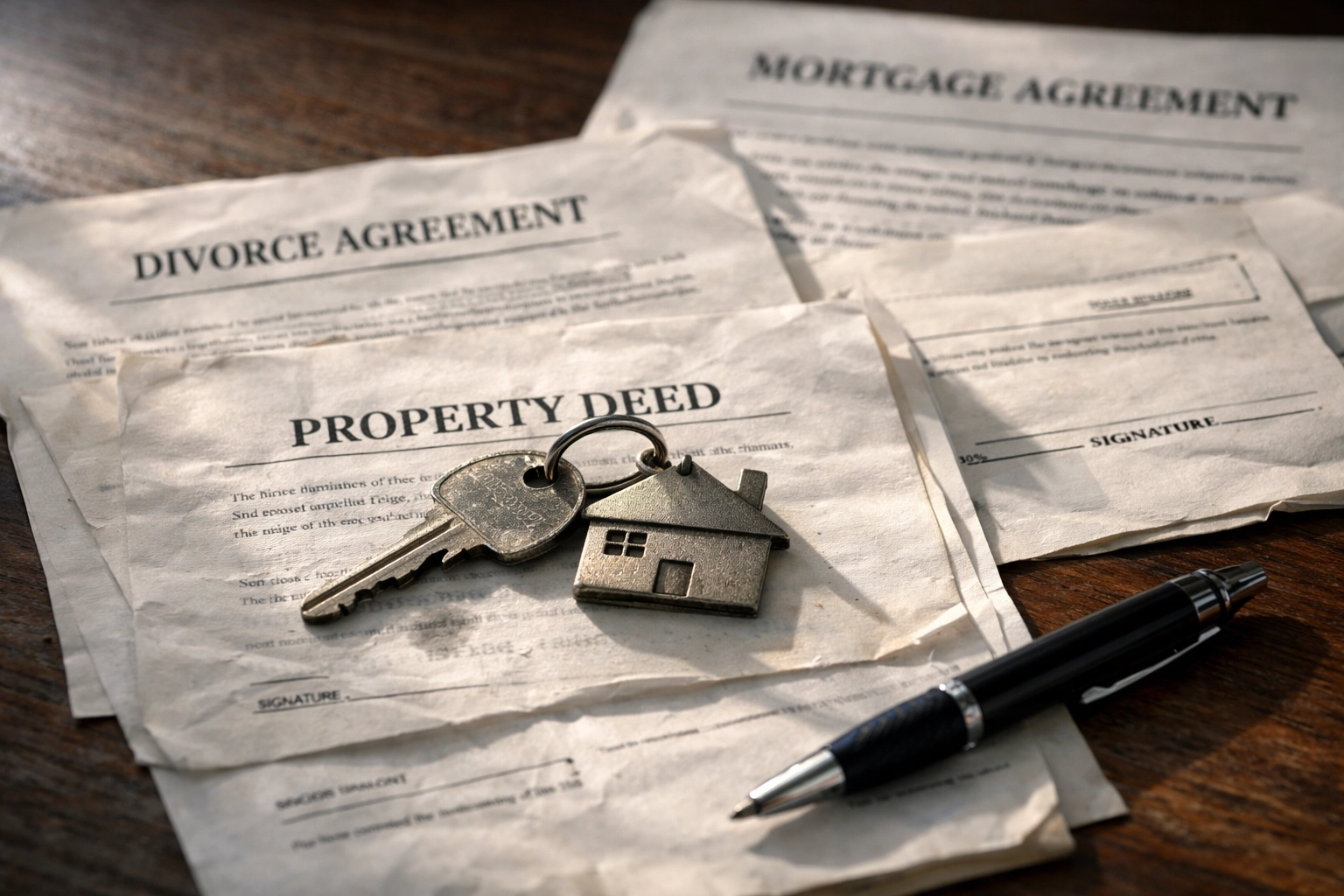
Why Cash Buyers Make Divorce Sales Easier
If you've decided to sell and split the proceeds, you've got two main routes: list with a realtor, or sell to a cash buyer.
Here's the thing: traditional real estate sales can drag on for months, especially in divorce situations. You've got showings, negotiations, repair requests, buyer financing falling through, and closing delays. All while you're trying to coordinate with your ex, finalize the divorce, and move on with your life.
A cash sale simplifies everything. Here's how:
Fast Closings (7-14 Days)
Cash buyers don't need bank financing, so there's no waiting on appraisals or underwriting. If you need to close fast: say, because the divorce is finalizing or one spouse needs to relocate for work: a cash sale gets it done.
No Repairs or Cleaning Required
You can sell the house as-is: carpet stains, outdated kitchen, leaky roof and all. No arguing over who's paying for repairs. No scrambling to make the house "showable." Just sell it and move on.
No Agent Commissions or Showings
You won't pay 5-6% in realtor commissions, and you won't have strangers walking through your home while you're trying to pack boxes and process everything else. It's private, straightforward, and less intrusive.
Simplified Negotiations
With a traditional sale, you've got multiple parties involved: agents, buyers, lenders, inspectors. With a cash buyer, it's just you, your ex, and the buyer. Fewer moving parts mean fewer things that can go wrong.
Clear, Predictable Split
Because cash offers are all-cash with no financing contingencies, you know exactly what you'll net from the sale. That makes it easier to agree on how proceeds will be divided, and it eliminates surprises at closing.

What to Watch Out For
Even with a cash buyer, there are a few things you need to keep in mind:
Make sure the sale aligns with your divorce settlement. If your divorce decree specifies how the house should be sold or how proceeds should be split, the sale needs to follow those terms. Your attorneys should review the purchase agreement before you sign.
Understand the tax implications. Depending on how much equity you have and how long you've owned the home, you may owe capital gains taxes on the sale. Talk to a tax professional before closing so there are no surprises.
Choose a reputable cash buyer. Not all cash buyers are the same. Look for companies with experience handling divorce sales, transparent processes, and a track record you can verify. Ask for references, check reviews, and make sure they're licensed and insured.
Moving Forward After the Sale
Selling the marital home is a big step: emotionally and financially. It's okay to feel sad, relieved, anxious, or all three at once.
But once the sale is done, you'll have one less thing tying you to the past. You'll have your share of the proceeds, the freedom to start fresh, and the ability to move forward on your own terms.
If you're ready to explore your options, we're here to help. At Jenkins Homebuyers, we've worked with dozens of Nashville homeowners going through divorce, and we understand how to make the process as simple and stress-free as possible. No pressure, no games: just a fair offer and a fast, respectful process.
Get a cash offer today and see what your options look like. You've got enough on your plate( let's make selling the house the easy part.)